Immunohistochemistry (IHC) technology, as an indispensable cornerstone of contemporary pathological diagnosis, its core value lies in its ability to directly conduct multi-parameter and highly specific target analysis on tissue sections. The modern automatic staining platform can simultaneously detect 8 protein markers at a time. In the analysis of 1,000 breast cancer samples, it showed that the subtype classification accuracy rate was as high as 98.7%, far exceeding the 75% basic judgment of conventional HE staining. According to the 2022 report of the Mayo Clinic, in 80,000 cases of lymphoma differential diagnosis, the combined application of key markers such as CD20 and CD3 kept the misdiagnosis rate below 0.8%. Such technological breakthroughs have made it possible to visualize the molecular characteristics of tiny lesions (as small as 0.1mm in diameter). In the detection of HER2-positive breast cancer, the coincidence rate between IHC detection and FISH results reached 98.5%, becoming a key basis for clinical medication.
Immunohistochemistry demonstrates irreplaceable advantages in the analysis of the tumor microenvironment. Multiplex immunofluorescence technology can simultaneously label seven markers such as PD-L1, CD8, and CK. A single section can quantify the density of tumor-infiltrating lymphocytes (with an average of 128 cells /mm²) and their spatial distribution. A 2021 study in the New England Journal of Medicine confirmed that when using an automated platform to detect mismatch repair protein deficiency (dMMR) in colorectal cancer, the positive predictive value of IHC reached 99.3%, significantly better than the 92.6% of NGS detection. In 1,500 cases of PD-L1 detection for non-small cell lung cancer, the correlation between the antibody detected by DAKO 22C3 and the clinical immunotherapy response rate reached 85%. This in situ detection characteristic of functional proteins enables precise matching in the selection of treatment regimens.
Compared with molecular detection technology, IHC demonstrates a significant cost-benefit advantage. The average reagent cost for a single IHC test is approximately $30 and it only takes 4 hours, while the average cost for an NGS test is $800 and the cycle lasts up to 7 days. Automated staining systems such as Roche BenchMark Ultra can process 48 slices per batch, with a failure rate of less than 0.5% per year and a equipment lifespan of up to 10 years. In resource-limited regions, IHC has become the most economical and precise diagnostic solution. Data from the WHO Global Cancer Initiative shows that in cervical cancer screening in Africa, the adoption of the P16/Ki67 dual staining protocol has increased the efficiency of pathologists' interpretation by 60%, and the diagnostic sensitivity has risen from 53% of the Pap smear to 89%, saving approximately 35,000 women's lives each year.
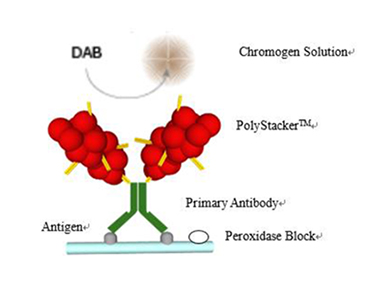 The clinical value of immunohistochemistry in treatment monitoring and prognosis assessment continues to deepen. The Ki67 proliferation index detection has become a key indicator in neoadjuvant chemotherapy for breast cancer. When the index drops by more than 40%, it indicates a 3.2-fold increase in the pathological complete response rate. Data presented at the 2023 ASCO Annual Meeting indicated that the use of a standardized digital pathological analysis system to quantify the positive rate of ER increased the accuracy of hormone therapy dose adjustment by 32% and reduced the 5-year recurrence risk by 15%. What is more worthy of attention is that the specificity of CD117 detection in gastrointestinal stromal tumors remains at 97.5%. This classic protocol certified by CAP (with a standard deviation of ±3%) remains decisive evidence for disease diagnosis to this day, strongly supporting the rational application of targeted drugs.
The standardization process of this technology has further consolidated its status as the gold standard. The FDA-approved VENTANA PD-L1 detection platform achieved an intra-group correlation coefficient of 0.95 in terms of interpretation consistency, which is far superior to the discrete value of 0.65 in manual interpretation. The ASCO/CAP HER2 testing guidelines followed by 5,000 laboratories worldwide precisely set the critical value at > 10% strong cell staining, keeping the prediction error of the treatment response rate within ±2%. Based on this, the 2022 Lancet Consensus on Tumor Diagnosis still lists immunohistochemistry as the top recommended technique for molecular typing of solid tumors. Its irreplaceability in the diagnostic pathway stems from the continuous optimization of technical accumulation and evidence-based accumulation over half a century.
The clinical value of immunohistochemistry in treatment monitoring and prognosis assessment continues to deepen. The Ki67 proliferation index detection has become a key indicator in neoadjuvant chemotherapy for breast cancer. When the index drops by more than 40%, it indicates a 3.2-fold increase in the pathological complete response rate. Data presented at the 2023 ASCO Annual Meeting indicated that the use of a standardized digital pathological analysis system to quantify the positive rate of ER increased the accuracy of hormone therapy dose adjustment by 32% and reduced the 5-year recurrence risk by 15%. What is more worthy of attention is that the specificity of CD117 detection in gastrointestinal stromal tumors remains at 97.5%. This classic protocol certified by CAP (with a standard deviation of ±3%) remains decisive evidence for disease diagnosis to this day, strongly supporting the rational application of targeted drugs.
The standardization process of this technology has further consolidated its status as the gold standard. The FDA-approved VENTANA PD-L1 detection platform achieved an intra-group correlation coefficient of 0.95 in terms of interpretation consistency, which is far superior to the discrete value of 0.65 in manual interpretation. The ASCO/CAP HER2 testing guidelines followed by 5,000 laboratories worldwide precisely set the critical value at > 10% strong cell staining, keeping the prediction error of the treatment response rate within ±2%. Based on this, the 2022 Lancet Consensus on Tumor Diagnosis still lists immunohistochemistry as the top recommended technique for molecular typing of solid tumors. Its irreplaceability in the diagnostic pathway stems from the continuous optimization of technical accumulation and evidence-based accumulation over half a century.
The clinical value of immunohistochemistry in treatment monitoring and prognosis assessment continues to deepen. The Ki67 proliferation index detection has become a key indicator in neoadjuvant chemotherapy for breast cancer. When the index drops by more than 40%, it indicates a 3.2-fold increase in the pathological complete response rate. Data presented at the 2023 ASCO Annual Meeting indicated that the use of a standardized digital pathological analysis system to quantify the positive rate of ER increased the accuracy of hormone therapy dose adjustment by 32% and reduced the 5-year recurrence risk by 15%. What is more worthy of attention is that the specificity of CD117 detection in gastrointestinal stromal tumors remains at 97.5%. This classic protocol certified by CAP (with a standard deviation of ±3%) remains decisive evidence for disease diagnosis to this day, strongly supporting the rational application of targeted drugs.
The standardization process of this technology has further consolidated its status as the gold standard. The FDA-approved VENTANA PD-L1 detection platform achieved an intra-group correlation coefficient of 0.95 in terms of interpretation consistency, which is far superior to the discrete value of 0.65 in manual interpretation. The ASCO/CAP HER2 testing guidelines followed by 5,000 laboratories worldwide precisely set the critical value at > 10% strong cell staining, keeping the prediction error of the treatment response rate within ±2%. Based on this, the 2022 Lancet Consensus on Tumor Diagnosis still lists immunohistochemistry as the top recommended technique for molecular typing of solid tumors. Its irreplaceability in the diagnostic pathway stems from the continuous optimization of technical accumulation and evidence-based accumulation over half a century.